
Green Is the New Growth: ESG Incentives for Indian MSMEs


Did you know that Apple mandatorily enforces its ESG (Environment, Social and Governance) obligations even on MSME suppliers? Every supplier working with Apple globally, must agree to its ‘Supplier Code of Conduct and Supplier Responsibility Standards’, which contains certain environmental and social obligations that each supplier must fulfil. This includes maintaining an inventory of greenhouse gas emissions, and also sourcing renewable energy for making Apple’s parts and components. While MSMEs are given a tad more flexibility in the time to transition, the requirements still persist. Apple is not the only company that requires such measures. Many globally responsible companies are now asking their suppliers, which include MSME counterparts, to start taking ESG initiatives to qualify for company contracts.
For years, sustainability sat near the bottom of a small manufacturer’s to-do list, somewhere below chasing receivables and filing GST returns. That is changing. Customers, banks and the government are now putting real orders and real money behind it.
Today, a growing number of MSMEs have voluntarily adopted ESG practices in their business. Whether it is switching to low carbon fuel alternatives or reporting on their sustainability initiatives, MSMEs are slowly gathering speed in mainstream ESG implementation.
An Indian MSME(a company with revenue under INR 500 crores, plant and machinery under INR 125 crores and having an Udyam Certificate) today is incentivized to incorporate ESG on multiple grounds:
- SEBI-mandated disclosures on Business Responsibility & Sustainability Report (BRSR):
The Securities and Exchange Board of India (SEBI) requires India’s top 1,000 listed companies to publish a BRSR, and the top 250 may also disclose ESG data for their value chains, covering partners that account for 2% or more of their purchases or sales. MSMEs make up a sizeable portion of the Indian supply chain.
Though still voluntary in nature, many Indian companies have started conducting Supplier Sustainability Audits/Assessments and are encouraging MSMEs to adopt responsible business practices. There are high chances that if you (as an MSME player) are supplying to a listed counterpart in top 1000, you would have received atleast one checklist enquiring about your ESG practices and policies. This nudge today, is bound to become an imperative in the coming future.
- Impetus to Export Business:
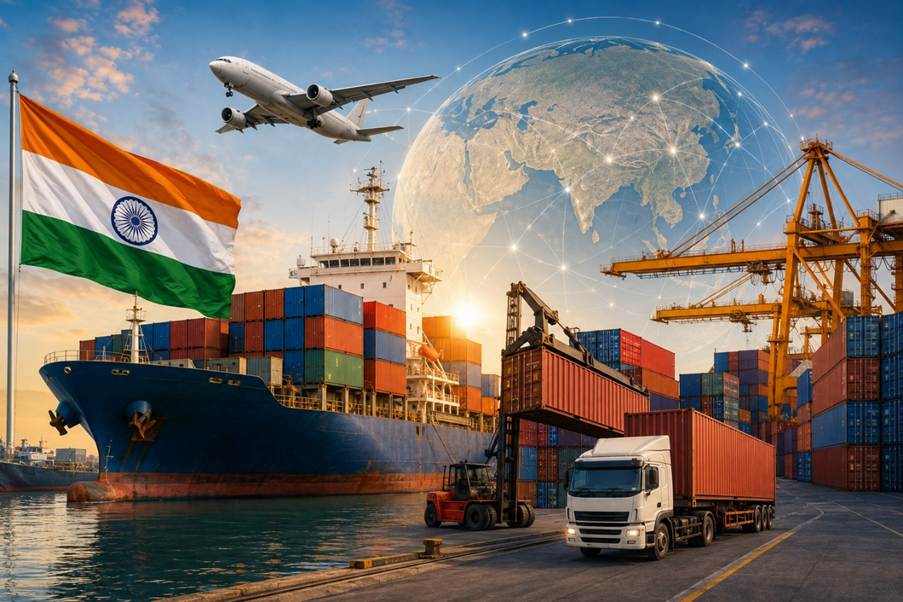
If you are supplying internationally, especially to the EU, ESG is increasingly unavoidable. As it happens, certain international markets are more stringent when it comes to environmental and social norms. Recent regulations such as the EU Carbon Border Adjustment Mechanism, the EU Packaging & Packaging Waste Regulation, the EU Deforestation Regulation and California’s Climate Corporate Data Accountability Act are just examples for how international regulations are influencing product composition, and resultant vendor choices. Even where you are not covered by any of these regulations, a lot of buyers abroad prefer companies that are environmentally and socially responsible.
- Reduces Cost of Capital for Fundraising & IPO-bound companies
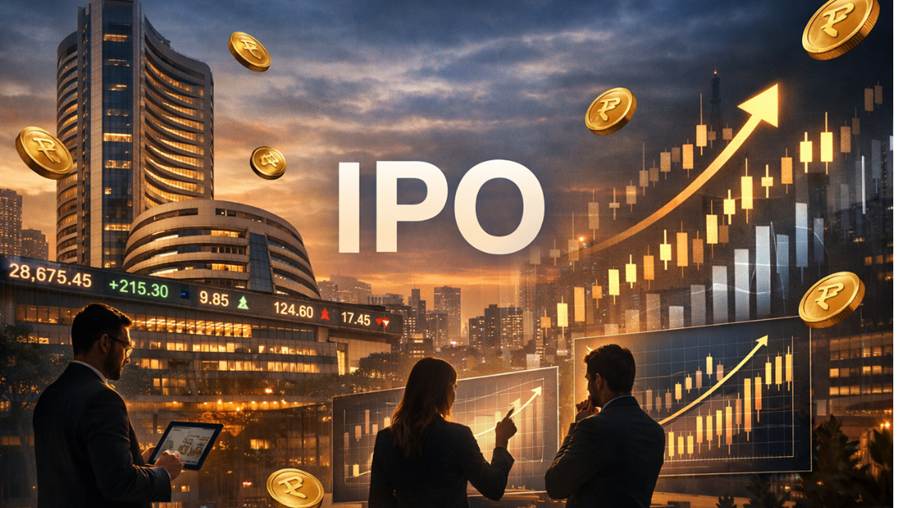
About 90% of the global institutional investors today evaluate companies on ESG parameters. Further, almost all Development Financial Institutions (such as the ADB, IFC, World Bank, SIDBI, NABARD, NIIF), evaluate companies based on their ESG performance, and even require implementing an Environment & Social Action Plan pre- or post- investment.
MSME firms planning for an SME platform listing, or main board listing, are also expected to have basic checks and controls to mitigate ESG-specific risks, which are disclosed in the prospectus at the time of listing.
- Managing ESG-specific risks
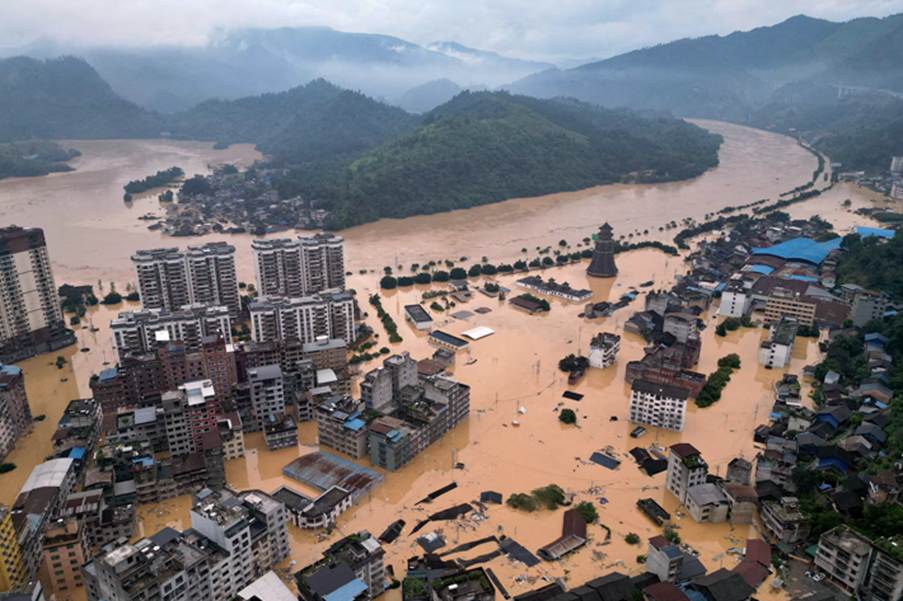
All businesses face some kind of ESG risks – be it risk of financial loss due to natural disasters, risk of inflating raw material prices due to climate change, risk of changing regulations, risk of stakeholder dissatisfaction and non-cooperation or lapse of environmental and social controls. It is pertinent for MSMEs to conduct a materiality and gap assessment and understand the ESG risks that influence their organisation.
The company must assess the magnitude and likelihood of adverse ESG-linked events and identify those risks that need attention. This can help MSMEs build controls and direct efforts to only those ESG risks that are relevant and material.
- ESG as a source of cost saving and competitive advantage
FMCG-giant Unilever managed to save US$ 1.27 billion over 10-20 years in costs by adopting sustainable policies like regenerative agriculture and water conservation. Simple choices like switching to renewable sources of energy or retrofitting machines to recycle waste output can yield positive cost reductions, and improve the company’s ESG footprint.
As per a survey by PwC, 70% of consumers (largely, Gen Z & millennials) are willing to pay more for sustainably produced goods. ESG initiatives also greatly enhance business goodwill, and go a long way in building a reputation of responsible and ethical conduct.
- Government Scheme
The government too is encouraging this shift. MSE-SPICE, short for MSE Scheme for Promotion and Investment in Circular Economy, is a sub-scheme introduced by the Ministry of MSMEs under its ‘Raising and Accelerating MSME Performance (RAMP)’ scheme.
MSE-SPICE:
This scheme has been formulated to incentivize MSEs to adopt Circular Economy (CE) with a focus on Plastic, Rubber and Electronic Waste Management Rules. Simply put, it is meant to subsidize waste recycling and disposal plants which are crucial to comply with the new (and revised) waste management rules, that are more stringent than before.
The Credit-Linked Capital Subsidy under this scheme provides a subsidy of upto 25% on the cost of plant and machinery for brownfield projects upto a maximum of INR 12.50 lakhs. The investment may be towards CE technologies for plastics, electronic waste, municipal waste, lithium-ion batteries, solar panels, hazardous industrial waste, among others. All Udyam registered micro and small enterprises, that comply with the existing Extended Producer Responsibility (EPR) are eligible for it.
The scheme is supported with an allocation of INR ~470 crores from the Centre.
Closing thoughts
Apple did not ask its suppliers to care about sustainability. It made it a condition of doing business. That is the real shift facing Indian MSMEs: ESG is moving from a statement of values to a purchase criterion, tied to orders, export access, credit and capital.
The good news is that the starting point is modest. An MSME does not need a polished sustainability report on day one. It needs a materiality assessment to know which risks truly matter, a baseline of its energy use and emissions, and a clear view of the support on offer, from circular-economy subsidies such as MSE-SPICE to the ESG questionnaires its largest customers are already sending. MSMEs contribute roughly 30% of India’s GDP and over 45% of its exports. Those that treat ESG as groundwork rather than paperwork will be the ones that customers, lenders and investors choose to back. For them, green is not the cost of staying in the market. It is how they grow in it.
[The author can be reached at disha.veera@esgityadvisors.com]